Get Steel Cladding Installation
Local contractors offer steel cladding installation services to replace or upgrade exterior panels on commercial and industrial buildings, enhancing durability and appearance.
Steel cladding installation is a practical upgrade for property owners seeking durable and low-maintenance exterior solutions. Whether renovating an existing building or planning a new project, many consider steel cladding for its strength, weather resistance, and modern appearance. Exploring local contractors who specialize in this work can help ensure the project aligns with specific property needs and aesthetic preferences, providing options tailored to the local environment and building requirements.
For those evaluating their options, it’s important to compare the services offered by experienced local service providers. This helps in understanding the scope of work, quality standards, and the variety of steel cladding solutions available. Continuing with the process of research and connection can lead to finding the right professionals to handle the installation efficiently and effectively, supporting the long-term value and performance of the property.
- Commercial building upgrades - when businesses need durable and modern exterior solutions for their facilities.
- New construction projects - during the development of commercial or industrial structures requiring exterior cladding.
- Facade renovation - for property owners seeking to improve or refresh the appearance of existing buildings.
- Industrial facility enhancements - when factories or warehouses require robust cladding to withstand harsh conditions.
- Architectural feature installation - for projects that incorporate steel cladding as a design element or visual statement.
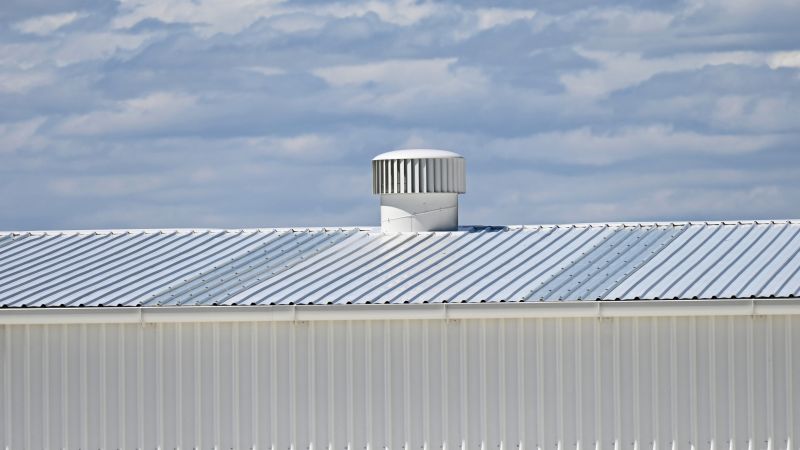
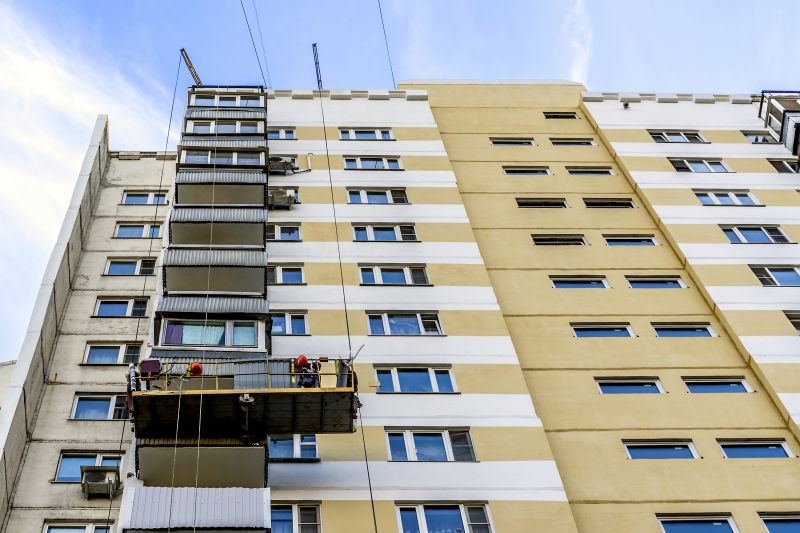
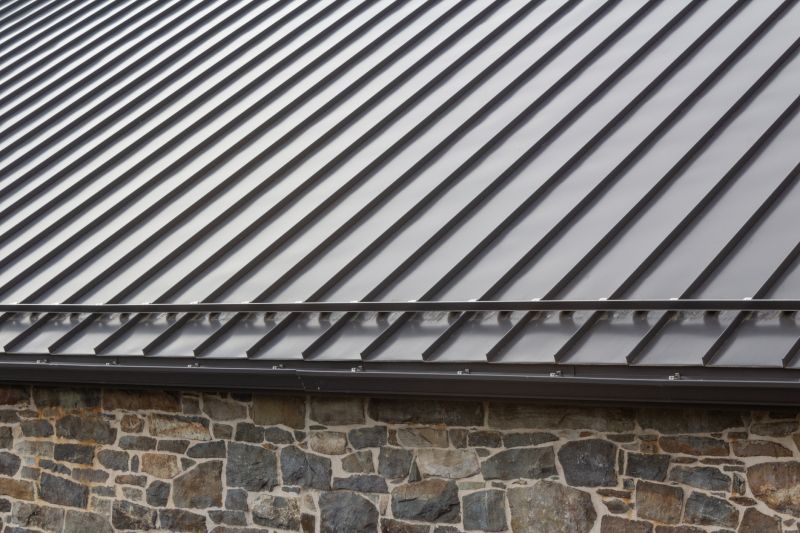
Steel cladding installation involves attaching durable steel panels to the exterior surfaces of a building. This process typically includes preparing the existing structure, measuring and cutting panels to fit, and securely fastening them to ensure a weather-resistant and long-lasting finish. The installation process may also involve sealing joints and finishing edges to prevent water infiltration and improve overall appearance. Skilled service providers ensure that the panels are properly aligned and securely attached, resulting in a sleek, modern look that enhances the building’s exterior.
This service addresses several common problems faced by property owners. It can help improve the structural integrity of a building by providing a protective barrier against harsh weather conditions, such as rain, wind, and snow. Steel cladding also offers an effective solution for covering up damaged or aging exterior surfaces, restoring the building’s aesthetic appeal. Additionally, it can help improve insulation and energy efficiency, reducing heating and cooling costs over time. Service providers can assess existing issues and recommend the best steel cladding options to meet specific needs.
Steel cladding is often used on a variety of property types, including residential homes, commercial buildings, warehouses, and industrial facilities. Homeowners might choose steel cladding to upgrade their house exteriors or repair damaged siding. Commercial property owners often opt for steel panels to create a professional, durable facade that withstands daily wear and tear. Industrial facilities may rely on steel cladding for its strength and low maintenance requirements, making it a practical choice for large-scale or high-traffic buildings.
Property owners considering steel cladding installation should look for experienced local contractors who specialize in exterior cladding projects. These professionals can evaluate the property’s needs, recommend suitable steel panel types, and ensure proper installation for optimal performance. Whether replacing old siding, enhancing curb appeal, or protecting a building from the elements, connecting with qualified service providers can help achieve a reliable and visually appealing result. Contacting local experts is a practical step toward improving the durability and appearance of any property with steel cladding.
The overview below groups typical Steel Cladding Installation projects into broad ranges so you can see how smaller, mid-sized, and larger jobs often compare in your area.
In many markets, a large share of routine jobs stays in the lower and middle ranges, while only a smaller percentage of projects moves into the highest bands when the work is more complex or site conditions are harder than average.
Smaller Repairs - Minor repairs or patching of existing steel cladding typically cost between $250 and $600. Many routine jobs fall within this range, depending on the extent of the work and materials needed.
Partial Replacement - Replacing sections of steel cladding usually ranges from $1,000 to $3,000 for most projects. Larger, more complex partial replacements can push costs higher, but most projects stay within this middle band.
Full Cladding Replacement - Complete removal and installation of new steel cladding generally costs between $5,000 and $15,000. Larger or more intricate projects may exceed this range, but many fall into the lower to mid-tier prices.
Custom or Large-Scale Projects - Extensive installations or custom-designed steel cladding can reach $20,000 or more. These projects are less common and typically involve high-end materials or complex architectural features.
Actual totals will depend on details like access to the work area, the scope of the project, and the materials selected, so use these as general starting points rather than exact figures.
Metal Wall Panel Installation - this project involves installing durable metal panels on building exteriors, requiring similar skills in handling large panels and precise fastening techniques as steel cladding installation.
Facade Renovation Projects - upgrading building facades often includes attaching cladding materials, making use of planning, surface preparation, and fastening expertise similar to steel cladding work.
Architectural Metalwork - designing and installing decorative or functional metal features on buildings shares tools and planning approaches with steel cladding installation, emphasizing precision and material handling.
Exterior Wall Insulation Systems - applying exterior insulation and finishing systems (EIFS) involves surface preparation and attachment methods comparable to those used in steel cladding projects.
Roof Panel Installation - installing metal roof panels requires similar skills in working with large panels, fasteners, and weatherproofing techniques as in steel cladding services.
Industrial Building Enclosure Projects - constructing enclosures for warehouses or factories often involves steel or metal siding installation, utilizing comparable planning and fastening skills for durable results.
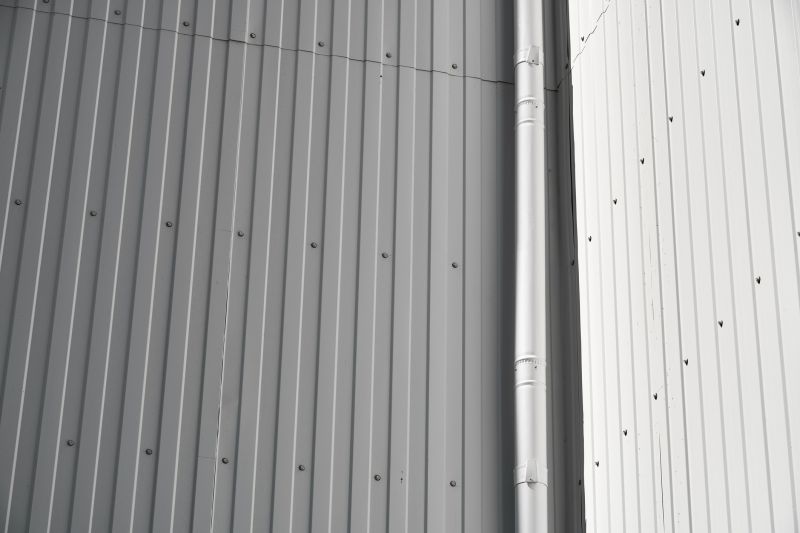
When comparing local contractors for steel cladding installation, it’s important to consider their experience with similar projects. Homeowners should look for service providers who have a proven track record of successfully completing steel cladding work in residential settings. Asking about the types of projects they’ve handled can provide insight into their familiarity with the specific requirements and challenges of steel cladding, helping ensure the selected contractor has relevant expertise to meet expectations.
Clear, written expectations are essential when evaluating potential service providers. Homeowners should seek out contractors who provide detailed project descriptions, including scope of work, materials to be used, and any specific standards they follow. Having this information in writing helps prevent misunderstandings and ensures that everyone is aligned on the project’s goals, making it easier to compare options objectively and select a contractor who can deliver the desired results.
Reputable references and effective communication are key factors in choosing a reliable service provider. Homeowners are encouraged to request references from previous clients who had similar work done, allowing them to gather insights into the contractor’s professionalism, workmanship, and reliability. Additionally, good communication-prompt responses, clarity in explanations, and willingness to answer questions-can indicate a contractor’s commitment to a smooth project process. The site introduces homeowners to local options, helping them connect with service providers who can handle steel cladding installation, but it does not perform the work itself.
Property owners use Steel Cladding Installation services for practical projects around their homes and businesses. This guide focuses on everyday jobs and straightforward project options.
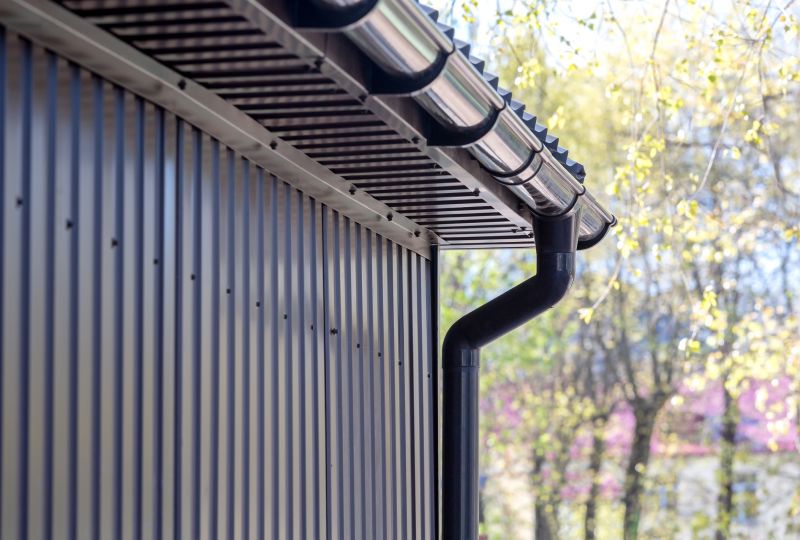
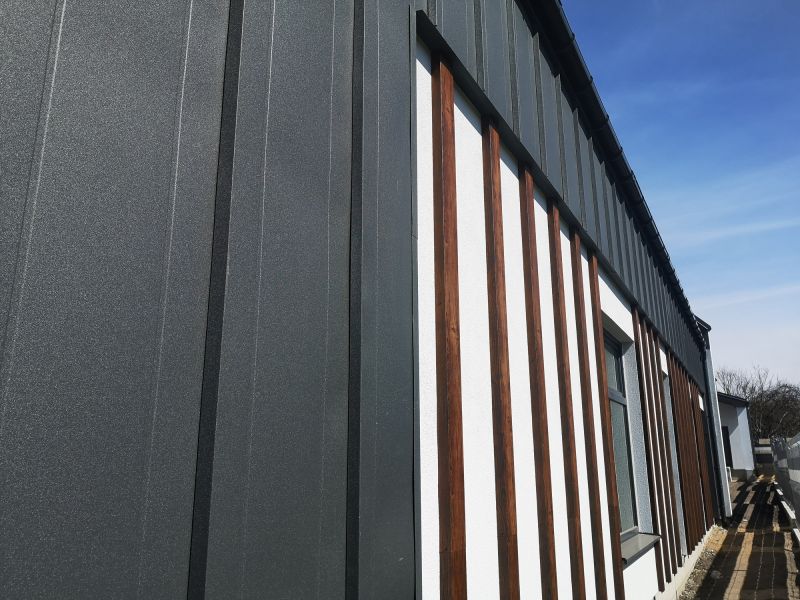
Steel cladding installation is a common project for property owners looking to enhance the durability and appearance of their buildings. Whether replacing worn-out panels or upgrading to a more modern exterior, local contractors can help with the process. Property owners might seek these services when they notice signs of damage, such as rust or corrosion, or when they want to improve insulation and reduce maintenance needs. Additionally, new construction projects often incorporate steel cladding to create a sleek, long-lasting exterior that withstands the elements.
Many property owners turn to local service providers for steel cladding installation during renovations or repairs. This work can be essential for maintaining the structural integrity of warehouses, commercial buildings, or even residential properties. Simple reasons for seeking these services include replacing outdated or damaged panels, upgrading to more weather-resistant materials, or achieving a specific aesthetic. Local contractors are equipped to handle various project sizes and can assist property owners in achieving their desired exterior look and performance standards.
What types of steel cladding are available for installation? Local contractors typically offer a variety of steel cladding options, including corrugated panels, standing seam, and insulated steel panels, to suit different architectural styles and functional needs.
How is steel cladding installed on a building? Installation generally involves attaching steel panels securely to the building’s framework using specialized fasteners and techniques that ensure durability and weather resistance.
Are there specific buildings or structures that benefit most from steel cladding? Steel cladding is suitable for commercial, industrial, and some residential buildings where durability, low maintenance, and modern aesthetics are desired.
What preparation is needed before steel cladding installation? Proper surface preparation, including cleaning and possibly framing adjustments, is typically required to ensure the steel panels are installed correctly and securely.
How do local service providers ensure proper installation of steel cladding? Experienced contractors follow manufacturer guidelines and best practices to properly secure panels and ensure the cladding performs as intended over time.
Upgrade Building Exterior - Enhance the appearance and durability of a property by installing steel cladding on walls or facades.
Improve Weather Resistance - Protect a building from harsh weather conditions with steel cladding that offers added resistance to wind and rain.
Modernize Outdoor Spaces - Use steel cladding to create sleek, contemporary features like privacy screens or decorative panels around a property.
Renovate Old Structures - Refresh and reinforce existing buildings by replacing or overlaying worn exterior surfaces with steel cladding from local contractors.
If you are thinking about Steel Cladding Installation for a property, this guide is meant to help you understand the work, the typical project types, and how different options might fit your plans.
When you are ready, you can use the quote form on this page to share a few details about your project. From there, local pros can review the basics and respond with options that match what you have in mind.